|
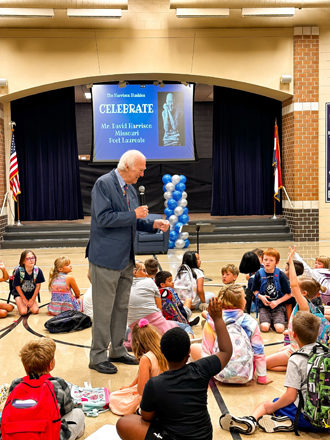
RECENT SCHOOL VISIT
Click Photo to Read
NEVER GO CAMPING WITH ONE PACK OF HOTDOGS
Sample titles from various talks, workshops, and presentations:
- Poetry: Shifting with the Digital Habit
- Promoting Literacy: It's Everybody's Job
- The Power of Poetry: Research Based Practices for the Classroom
- Poetry for All Ages
- 23 Ways to Get Started Writing
- Ah, the Glamour of Book Signings!
- Memory-Based Writing: A Poet Shows How
- How to Get Ideas
- Writing About Nature, Science, and the Environment
- Talking to Boys and Girls; Messages that Reach and Nurture
- Developing Young Writers: What We Can Do
- Helping Kids Write Better Poetry
- Using Poetry in Content Areas
- Writing Nonfiction Poetry
- Read to Write and Write to Read
- Poetic Food for Thought
- Stories Behind the Stories
- Become a Model
- Connecting Science and Social Studies through Prose and Poetry
- A Writer's Voice
- Finding Ideas in All the Right Places
- Ten Ways to Help Students Write Better Poetry
- The Cat Has a Cell Phone
- Ten Important Secrets About Writing
- The Art of Creating Literature for Young People
- The World of the Writer
- How to Get Hundreds of Ideas to Write About in Less Than an Hour
- Connecting the Dots
- Writing Begins with Curiosity
- Never Go Camping with One Pack of Hotdogs
- What I've Learned So Far
- Partner Poems to Develop Reading Fluency
- Developing Phonemic Awareness with Poetry
- The Relationship Between Authors and Young Readers
- A Small Miracle Happens When a Child Loves a Book
|
Talks and School Visits
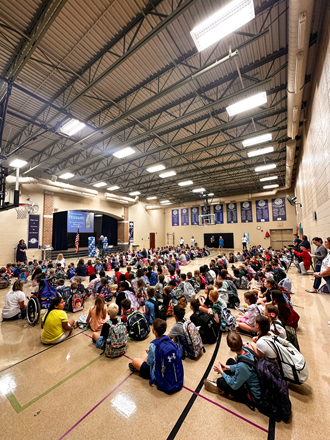
I give keynote talks, presentations, banquet speeches, and professional development workshops. I base my speeches on the theme or need of the particular event. I'm a humorous speaker and can talk about the natural connection between young readers and their authors. Because I write in three genres for children as well as strategy books for teachers, my subjects vary.
My school presentations support what is going on in the classroom. I ask teachers to give me suggestions on how I can reinforce their current focus while bringing my own insights based on personal experience as a writer. Although I'm comfortable with students from PreK-12, I work with primary grades more than any other.
Authors become a resource for teachers when we share how writing happens. Writing can be pleasant but it's also a messy process and young writers need to understand that before they become frustrated with their own early efforts. Writing should be, and for most kids can be, a rewarding experience. I work to help them enjoy the process while they're learning.
I read from my work, frequently choosing humorous poems, and explain how some of my books began so kids can follow the journey from an idea in my head to a finished book on their library shelf. I stress the importance of learning about a subject before writing about it and provide numerous ways for students to discover and develop their own writing ideas.
To inquire about a conference talk or school visit, contact me at:david@davidlharrison.com
|
|